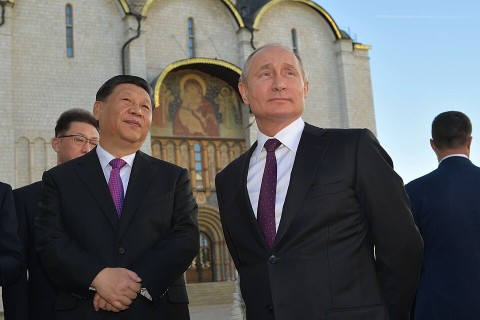
In a notable diplomatic exchange, Chinese President Xi Jinping and Russian leader Vladimir Putin shared “congratulatory letters” just before Putin’s scheduled visit to Beijing. This visit follows closely on the heels of former U.S. President Donald Trump’s recent trip to China, underscoring the strategic importance of these high-profile meetings. Xi highlighted the strengthening and deepening of the cooperative ties between China and Russia, as 2023 marks three decades of their strategic partnership. Putin is set to arrive on Tuesday evening, with plans to meet Xi on Wednesday morning, according to Kremlin aide Yuri Ushakov. Their discussions are expected to cover various aspects of their bilateral relationship, including the ambitious Power of Siberia 2 gas pipeline project.
The consecutive hosting of the U.S. and Russian leaders in such a short time span has drawn significant global attention. Analysts point out that this occurrence is highly unusual in the post-Cold War era. The increasingly close ties between China and Russia have raised concerns in Western countries, especially after Russia’s full-scale invasion of Ukraine in 2022. Western diplomats and analysts argue that China’s economic and diplomatic backing has played a crucial role in sustaining the conflict. Xi and Putin’s frequent meetings, tallying over 40, far surpass the Chinese leader’s interactions with Western counterparts.
Trade between China and Russia has surged to unprecedented levels since 2022, with China purchasing more than a quarter of Russia’s exports. These transactions have been particularly significant in the energy sector, where China’s substantial imports of Russian crude oil have provided Moscow with a financial lifeline amid the ongoing war in Ukraine. Since the conflict began, China has acquired more than $367 billion worth of Russian fossil fuels, as reported by the Centre for Research on Energy and Clean Air. This exchange has bolstered China’s energy security, especially critical after tensions in the Middle East disrupted oil shipments through the Strait of Hormuz.
During Trump’s recent visit to China, the topics of the Ukraine war and the Sino-Russian alliance were not prominently featured. The Chinese statement briefly mentioned the “Ukraine crisis,” while the U.S. side did not address it at all. Instead, discussions focused on trade, Taiwan, and Middle Eastern conflicts, with Trump noting China’s agreement on the importance of reopening the Strait of Hormuz. Xi emphasized the sensitive nature of the Taiwan issue, cautioning Trump about the potential for conflict if mishandled. Trump left without a decision on a major arms sale to Taiwan, a move that, if halted, would align with Beijing’s interests concerning the self-governing island.
Joseph Webster, a senior fellow at the Atlantic Council, suggested that Taiwan might be an underlying theme in the Xi-Putin discussions. Webster speculated that China might be looking to secure further fossil fuel agreements with Russia to ensure energy supplies in case of a future conflict. The expansion of Russian oil pipeline capacity to China, as proposed in the Power of Siberia 2 project, could significantly enhance Beijing’s energy security in a potential Taiwan-related contingency. Russia is keen on advancing this pipeline project, which promises to add 50 billion cubic meters of capacity to their shared network.