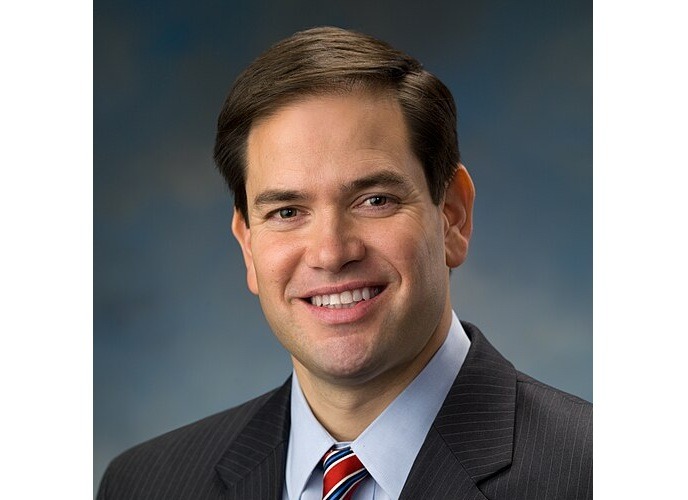
The United States is contemplating the conclusion of a temporary waiver that has permitted nations, including India, to procure oil from Russia. This waiver, which was initially implemented in March, aimed to mitigate disruptions in the global energy market amid heightened tensions in the Middle East. It has been extended on two occasions, with the current extension due to expire on June 17, as announced by US Secretary of State Marco Rubio.
During a congressional hearing, Rubio clarified that the waiver was conceived as a provisional solution to stabilize global oil supply chains. He emphasized that the US’s overarching policy remains committed to imposing sanctions on Russian energy exports. The ultimate decision on whether the waiver will be terminated lies with the Treasury Department, although Rubio expressed the US’s desire to end the waiver promptly, contingent on the prevailing conditions.
India is one of the countries that could be significantly impacted by the potential cessation of the waiver. In response to interruptions in energy supplies from the Gulf region due to regional conflicts and shipping challenges at the Strait of Hormuz, India resumed its purchase of Russian crude. The appeal of Russian oil for India stems from its competitive pricing and consistent availability, making it an essential source of crude.
The US has been actively encouraging India to expand its energy import sources and lessen its reliance on Russian oil. Discussions between the US and India have recently covered energy sourcing commitments as part of larger trade and economic negotiations. These talks underscore Washington’s strategic interest in fostering a diversified energy landscape for India.
Should the waiver not be renewed beyond the looming June 17 deadline, India may be compelled to seek increased imports from other suppliers. This shift could result in elevated energy costs and necessitate adjustments in India’s crude procurement strategies, presenting both economic and logistical challenges.