
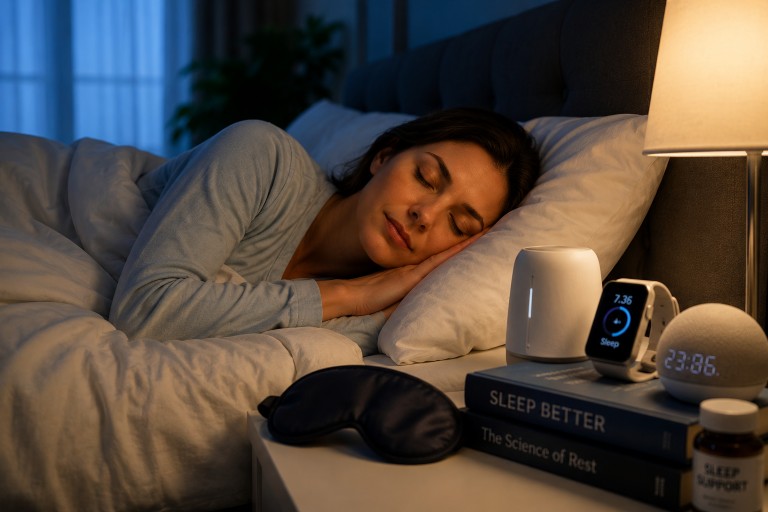
As people increasingly prioritize restful sleep, the market for sleep-enhancing products is flourishing. Consumers are investing in items ranging from smartwatches and sleep-tracking apps to specialized mattresses, weighted blankets, and noise machines, all in pursuit of a more restful night. Despite this surge in technology and innovation, experts caution that the core principles of good sleep cannot be substituted with gadgets alone. Factors such as stress, excessive screen time, irregular daily routines, noise disturbances, uncomfortable room temperatures, and untreated sleep disorders can disrupt sleep, regardless of how sophisticated the sleep aids may be.
While items like comfortable mattresses, supportive bedding, and wearable devices can enhance the sleep environment and offer insights into sleep patterns, these solutions have their limits. Issues like chronic stress, anxiety, persistent noise, erratic work hours, and underlying sleep disorders require more comprehensive solutions than what technology can provide. In fact, an overreliance on sleep technology can sometimes exacerbate the problem, contributing to a condition known as orthosomnia. This term describes the anxiety that stems from obsessively pursuing perfect sleep, often fueled by continuous monitoring of sleep data, which paradoxically makes it harder to unwind at night.
The booming sleep economy reflects a growing awareness of sleep’s critical role in overall health. The market now includes not only traditional sleep products but also wearable tech, sleep apps, smart beds, and wellness programs designed to improve sleep quality. Additionally, wellness-oriented hotels and sleep retreats are becoming more popular, indicating a broader cultural shift towards viewing sleep as an essential component of health, rather than just a period of inactivity.
Despite the appeal of sleep gadgets, not all sleep issues can be addressed through technology. Sleep trackers, for example, can offer a general picture of sleep patterns but fall short in diagnosing or resolving root causes of sleep disturbances. Work stress, anxiety, late-night screen exposure, caffeine consumption, changing schedules, and certain medical conditions can all impact sleep quality. The trend of “sleepmaxxing,” which involves optimizing sleep through routines, products, diets, and technology, is gaining traction online. However, experts warn against turning sleep into another performance metric.
Ultimately, the path to healthy sleep is surprisingly straightforward and relies heavily on consistent routines. Establishing a regular sleep schedule, being physically active, managing stress, and limiting screen time before bed lay a strong foundation for quality sleep. Creating a comfortable sleeping environment—quiet, dark, and cool—also aids relaxation. Importantly, persistent or severe sleep issues should prompt consultation with a healthcare professional. Difficulty sleeping, loud snoring, breathing disruptions during sleep, or significant daytime fatigue may require medical evaluation rather than reliance on consumer products alone.