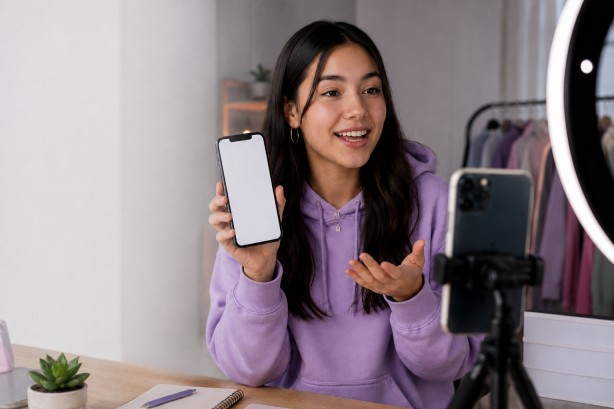
As discussions intensify globally around enforcing stricter regulations on children’s access to social media, Meta has been actively engaging with parenting, lifestyle, and mental-health influencers to spotlight Instagram’s safety features for teenagers. The tech giant has orchestrated events and backed influencer content to promote Teen Accounts, which offer added restrictions and parental controls for users aged 13 to 17. This initiative is part of Meta’s broader strategy to navigate the potential imposition of more stringent rules by governments across different countries.
In Australia, for instance, Meta convened a gathering for parenting influencers ahead of the nation’s implementation of under-16 social media restrictions. This event aimed to encourage influencers to advocate for the company’s safety tools and to argue against blanket bans, which they suggest might not be the most effective means of safeguarding young users. A report by the Tech Transparency Project suggests that similar campaigns have been executed in countries such as Indonesia and India, especially when these governments were deliberating on age restrictions. In some cases, influencers were financially compensated to highlight these safety features, and Meta collaborated with organizations that benefit from its financial support.
Meta asserts that its primary objective is to enlighten parents about the protective measures available for teenagers on Instagram. The company contends that imposing blanket bans could inadvertently drive young people towards less regulated online platforms. Instagram’s Teen Accounts incorporate restrictions on who can contact teenagers, curbs on sensitive content, and tools for parental supervision. Despite these measures, critics argue that these protections fall short of completely shielding young users from harmful material.
The conversation around social media safety for children is gaining momentum as governments ponder over age verification, parental controls, and even outright bans on social media usage by minors. Australia has already enacted a ban on social media for those under 16, while other nations are contemplating similar actions. The effectiveness of such bans remains a contentious topic. Critics argue that enforcement can be challenging and that these restrictions might limit young people’s access to information and online interactions. In contrast, child-safety advocates insist that social media companies must do more to ensure teenagers’ safety on their platforms.
This ongoing debate is mounting pressure on Meta and other tech companies to prove that their platforms offer genuine protection for younger users. As the discourse continues, these companies are under scrutiny to balance safety with access, demonstrating that they can effectively safeguard the interests of their younger audience.