
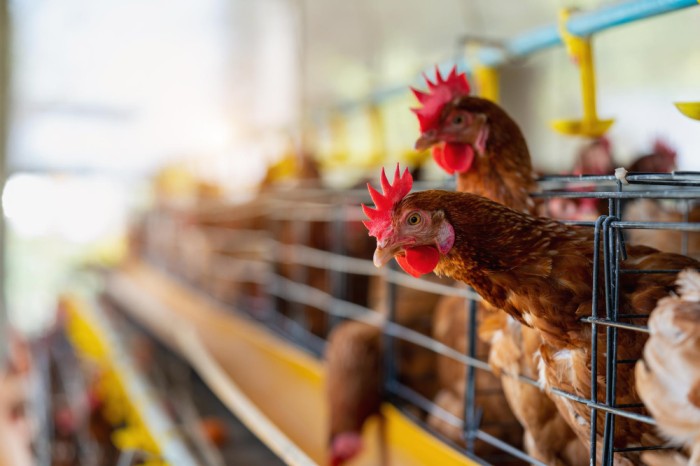
In a significant stride towards sustainability, Chatrium Hospitality has announced that all its hotels and properties in Thailand now exclusively use cage-free shell eggs. This initiative, completed in February 2026, marks the culmination of a project that commenced in 2024. The company annually incorporates over 1.4 million eggs into its operations across Thailand, and this transition underlines its dedication to ethical sourcing and enhancing animal welfare standards.
Chatrium Hospitality’s move to adopt cage-free eggs is a part of its broader strategy to fortify responsible food procurement practices. By aligning with global sustainability goals, the company aims to improve its supply chain processes. This commitment was realized through collaboration with suppliers, ensuring a reliable source of high-quality cage-free eggs throughout its network of hotels.
Emphasizing sustainability as a pivotal element of its business philosophy, Chatrium Hospitality is dedicated to responsible sourcing and environmental stewardship, while also focusing on delivering enriching guest experiences. This shift in egg sourcing not only aligns with the company’s values but also supports a growing trend within Thailand’s hospitality industry to elevate animal welfare standards.
The hospitality sector’s partners have praised this decision, highlighting how corporate sourcing choices can foster more responsible food systems. The transformation at Chatrium Hospitality illustrates how businesses can drive improvements in supply chains through clear and sustainable procurement policies.
This milestone for Chatrium Hospitality is a testament to its continued progress in adopting responsible hospitality practices. It sets a precedent that could inspire other companies in Thailand’s hotel, food service, and retail sectors to implement higher standards for animal welfare.
Legal Disclaimer:
The information contained in this article has been provided by independent third-party contributors, clients, or content partners. We do not independently verify the accuracy, completeness, legality, ownership, licensing, or reliability of submitted content, including text, images, videos, trademarks, or other media materials. The submitting party is solely responsible for ensuring that all content, including images and media assets, complies with applicable copyright, trademark, licensing, and intellectual property laws. We disclaim liability for any unauthorized use of copyrighted or proprietary materials by third parties. If you believe that any content published on this platform infringes your intellectual property rights, kindly contact the author above for prompt review and resolution.