A timeline of escalating missteps and public fury in Nepal shows how a government’s decision to ban social media spiraled into a national crisis, leaving 19 people dead and the country’s leadership in tatters. The events serve as a case study in how a single policy, when it strikes at the heart of public frustration, can unleash uncontrollable social forces.
The first step was the government’s introduction of a bill to regulate online content, which was immediately flagged by rights groups as a tool for censorship. This was followed by an executive decision to ban several popular social media platforms. This move directly targeted the primary communication channel of the nation’s youth, a demographic already angry about high unemployment and government corruption that they were actively discussing online.
The second stage was the public response. Protests, led by teenagers and young adults, erupted in Kathmandu. Initially peaceful, the demonstrators’ goal was to force a reversal of the ban. The crisis reached its tragic climax when security forces, under orders to maintain control, fired into the crowds as they tried to breach barricades. This act of lethal force was the point of no return.
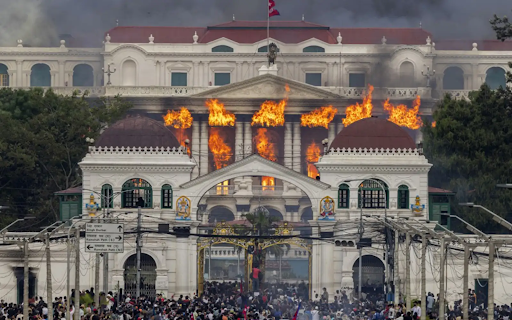
The final stage was the government’s capitulation in the face of uncontrollable public rage. The news of the 19 deaths led to retaliatory attacks on politicians’ property and spreading unrest. Prime Minister K.P. Sharma Oli, facing a complete loss of control, resigned and rescinded the ban. However, the government’s retreat came too late. The killings had already transformed the protest’s goals from policy reversal to regime change.