The European Central Bank finds itself in an uncomfortable position as a dramatic surge in oil prices reignites inflation fears across the eurozone. Brent crude surged past $90 a barrel this week following the outbreak of the Iran conflict, its biggest weekly gain since the start of the Covid-19 pandemic, and money markets have now almost fully priced in a rate rise from the ECB by year’s end — a remarkable reversal of expectations in the space of just days.
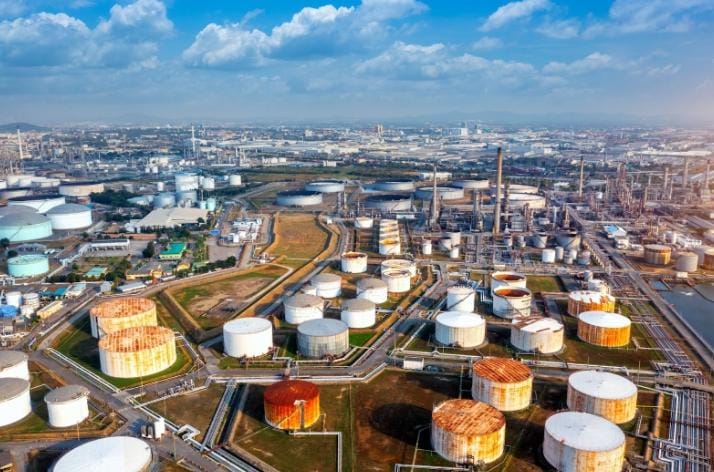
The oil price surge — which took Brent crude from around $72.50 to $91.89 a barrel in under a week — is being driven by a combination of direct supply disruption and growing fears of a catastrophic storage crisis. Kuwait has already begun cutting production at fields running short of storage capacity, and energy consultants estimate that Saudi Arabia and the UAE face the same problem within 20 days. A coordinated shutdown of Gulf production would mark an unprecedented disruption to global energy supply.
Qatar’s energy minister has added fuel to inflation fears by warning that a continued conflict could push all Gulf exporters to halt production, potentially sending oil to $150 a barrel. The country is also struggling with damaged LNG infrastructure following an Iranian drone strike, and has warned that exports could be disrupted for weeks or months. European gas prices have already risen to three-year highs in response, adding to the inflationary pressure building across the continent.
The broader financial market context is deeply concerning for European policymakers. Eurozone government bond yields recorded their biggest weekly rise since March of last year, reflecting the market’s reassessment of the ECB’s likely policy path. Stock markets fell more than 5% across the week. For an economy that had only recently begun to emerge from its last bout of energy-driven inflation, the prospect of a repeat episode is alarming.
Central banks face an almost impossible balancing act. Raising interest rates to combat energy inflation risks choking off already-fragile economic growth. But allowing inflation to become entrenched — as happened in the post-Covid period — carries its own severe long-term costs. For the ECB and the Bank of England, the Iran conflict has transformed a relatively benign policy landscape into a deeply challenging one, almost overnight.