
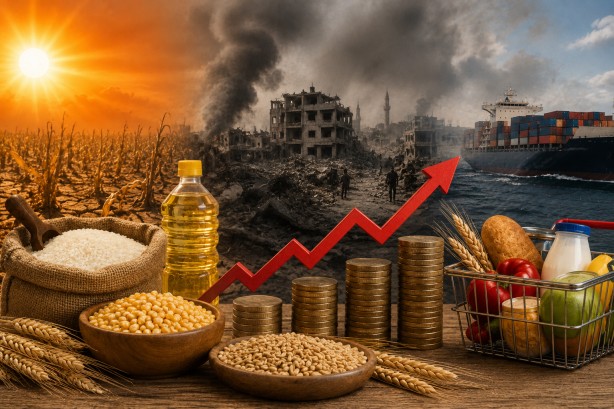
July marked a significant climb in global food prices, reaching their highest point in over three years due to a combination of extreme weather conditions, concerns about crop yields, and disruptions in agricultural trade triggered by ongoing conflicts. The global food price index rose to 131.1 points, up from 130.3 in June, marking the highest level since January 2023. Notably, there was a marked increase in the prices of cereals, sugar, and vegetable oils.
Cereal prices experienced a 3.4% increase during the month, with wheat prices specifically rising by 5.8%. This surge is primarily attributed to the disruptions in exports via the Black Sea and damage to infrastructure resulting from the Russia-Ukraine conflict, which have collectively driven up wheat costs. Similarly, maize prices saw a 3.6% increase as hot and dry conditions in parts of the United States raised alarms about potential impacts on crop production.
Sugar prices jumped by 5.6% in July, fueled by fears that extended periods of hot and dry weather could damage European crops. Additionally, shifts in Brazil’s fuel policies have led to increased demand for sugar in ethanol production, further contributing to the price rise. Meanwhile, vegetable oil prices increased by 2%, driven by strong demand from Indonesia’s biodiesel sector and rising crude oil prices. The ongoing conflict in the Middle East has also exacerbated pressure on food and agricultural supply chains, leading to higher transportation and fertilizer costs.
While many food commodities saw price hikes, not all followed this trend. Meat prices decreased by 2.8% in July, and dairy prices fell by 0.7%, although cheese prices did see an increase. The recent rise in global commodity prices could eventually lead to higher consumer food costs as increased production and transportation expenses make their way through supply chains. Regions already grappling with food insecurity are expected to face the most severe impacts.
Extreme weather conditions remain a significant concern for the global agricultural sector, with heatwaves, droughts, and wildfires posing threats to production across various regions. The developing El Niño weather pattern is anticipated to add further pressure on food supplies and prices in the coming months, compounding the challenges faced by farmers worldwide.