
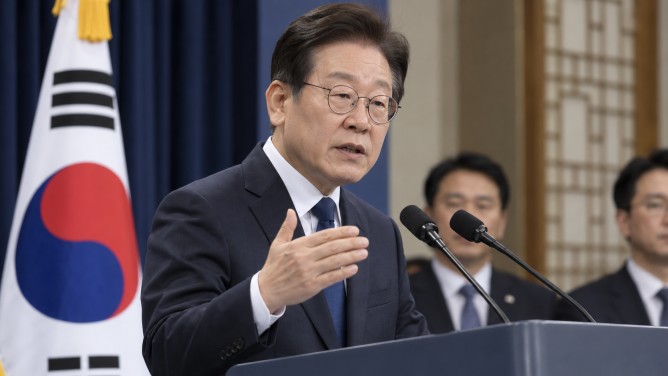
In the ongoing debate over prosecution reform in South Korea, President Lee Jae Myung has cautioned against what he terms “irresponsible extremism.” He argues that excessive demands in the reform discussions could hinder genuine efforts to improve the country’s judicial system. This statement, shared via social media on Wednesday, comes in response to criticisms of his previous comments labeling some advocates of reform as extremists.
President Lee emphasized that while many individuals support prosecution reform for the public good, a faction’s all-or-nothing approach could obstruct progress. He warned that such uncompromising positions risk creating divisions and could undermine the pursuit of meaningful institutional change. This perspective appears to be aimed at hardline members within his ruling Democratic Party, who have criticized him for allegedly backtracking on the party’s commitment to reform.
The core of the disagreement within the party revolves around the powers granted to prosecutors. Lee had earlier expressed support for allowing prosecutors to conduct supplementary investigations under exceptional circumstances. However, new legislation from the ruling party has stripped prosecutors of investigative authority, limiting their role to filing charges and maintaining indictments.
This internal debate underscores differing views on how to balance the scope of prosecution reform with practical considerations. President Lee’s stance highlights the need for a measured approach to reform, one that considers the complexities of institutional changes rather than adhering strictly to ideological extremes.
Overall, the discussion reflects broader tensions within the ruling party regarding the implementation of judicial reforms, with President Lee advocating for a pragmatic path forward that does not alienate potential allies in the pursuit of effective change.