
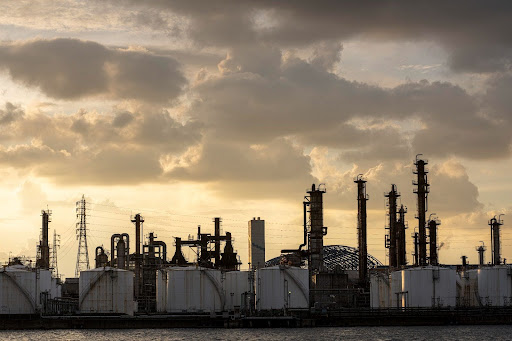
Energy infrastructure has become the defining battleground of the Iran-Israel war, with both sides striking fuel storage sites, pipelines, and distribution facilities in a conflict that has sent oil prices soaring past $100 per barrel. The deliberate targeting of energy assets represents a dangerous new dimension of modern warfare with consequences far beyond the region.
Israel struck at least five fuel-related facilities in and around Tehran, killing four workers and leaving the capital smothered in black smoke. In response, Iran’s Revolutionary Guards threatened to extend their campaign to oil facilities across the Gulf, framing the attacks not just as military retaliation but as an attempt to reshape the global energy market.
Gulf states confirmed they were already experiencing the consequences. Saudi Arabia, the UAE, Bahrain, Qatar, and Kuwait all reported drone and missile strikes. A desalination plant in Bahrain was hit, two civilians were killed in Saudi Arabia, and a US service member died from wounds sustained during an Iranian attack, the seventh American death since the conflict began.
Reports that Russia had been supplying Iran with intelligence to help target US military assets added a troubling geopolitical layer to the crisis. If confirmed, it would suggest that the conflict had evolved from a bilateral dispute into a proxy confrontation involving some of the world’s most powerful military actors.
Iran’s political transition complicated the picture further. The clerical assembly appointed Mojtaba Khamenei as supreme leader, replacing his father in a move unprecedented in the history of the Islamic Republic. The new leader’s hardline background offered little hope of an early diplomatic resolution.