
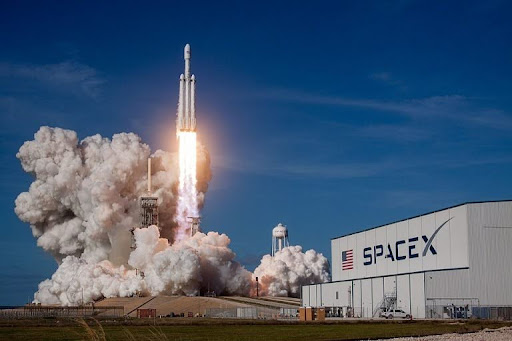
SpaceX has officially entered the public market, launching an initial public offering that stands as one of the largest in history. The company set its initial trading price at $150 per share, and it experienced a swift increase, propelling its valuation past the $2 trillion mark by the close of its first day on the market. This remarkable surge has significantly bolstered the wealth of Elon Musk, the CEO and majority shareholder, elevating his net worth to over $1 trillion and making him the first individual to achieve trillionaire status.
The company’s shares rose sharply during their debut, driven by investor interest that surpassed expectations and underscored the robust market appetite for SpaceX’s ventures in space exploration and satellite internet services. SpaceX executives reiterated their commitment to the long-term goal of advancing space travel and supporting the expansion of human presence beyond Earth. The company adopted an atypical approach for its IPO by setting a fixed initial share price, rather than the more common practice of a price range, which played a role in the rapid valuation increase once trading commenced.
Despite the successful market launch, SpaceX has yet to achieve profitability, as reflected in its recent financial disclosures, which reveal substantial operating losses even amid rising revenue. Industry analysts have attributed these losses to the company’s significant investments in aerospace infrastructure and satellite networks, elements crucial to its ongoing operations and strategic objectives.
The unprecedented valuation achieved by SpaceX has sparked discussions regarding the implications of market concentration and associated risks, especially considering the company’s immense scale and the substantial voting power held by Musk. This development highlights the broader conversation about the influence of major players in the market and the potential impact on economic dynamics.