
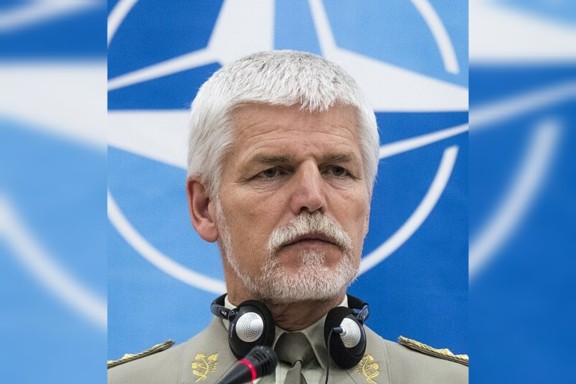
Czech President Petr Pavel has called for NATO to adopt a stronger stance in response to Russia’s provocations near the alliance’s eastern frontiers. Pavel, who previously chaired NATO’s military committee and served as a general, emphasized that Russia has been systematically testing NATO’s boundaries through various means, including airspace violations and drone incidents, all while avoiding actions that would activate NATO’s collective defense clause, Article 5.
In his assessment, Pavel urged NATO to consider more “decisive” measures, such as potentially downing aircraft that breach allied airspace. He also proposed asymmetric strategies like disrupting Russian internet systems, targeting their satellite operations, or imposing further restrictions on Russian banks within international financial networks. Pavel contended that Russia is more responsive to demonstrations of strength than to diplomatic cautions, warning that a lack of firm response could embolden Moscow to escalate its activities in Eastern Europe and the Baltic region.
The Czech president also advocated for increased sanctions against Russia and suggested that any easing of these measures be contingent upon a ceasefire and the commencement of peace negotiations in Ukraine. He expressed concern over Europe’s reliance on U.S. leadership, urging European nations to develop their own long-term strategy for dealing with Russia and shaping future security frameworks. Pavel’s comments highlight the growing unease within NATO regarding regional security amid ongoing tensions tied to the conflict in Ukraine.
Pavel criticized the European approach, suggesting that it places too much dependence on Washington instead of fostering a more proactive European role in security matters. He stressed the necessity for Europe to take a more assertive position in formulating security arrangements that ensure a stable future. These remarks reflect a broader concern about the need for coordinated and robust action to address the challenges posed by Russia’s assertiveness.