
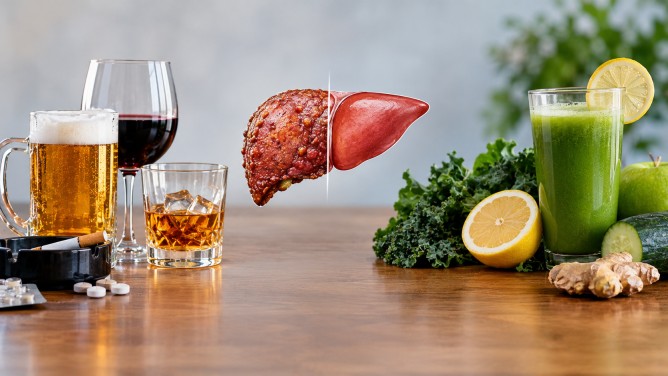
Alcohol consumption can progressively harm the liver, leading to conditions such as fat accumulation, inflammation, and potentially irreversible scarring. While the liver has an intrinsic ability to heal, its recovery hinges on the level of damage and the timeliness of intervention. Contrary to popular belief, detox drinks and cleansing diets are not scientifically validated methods for reversing the impacts of prolonged alcohol intake.
The liver’s primary function includes breaking down alcohol, during which harmful substances are produced that can damage liver cells. Continuous alcohol exposure can result in inflammation and fat buildup, eventually leading to scar tissue formation that disrupts normal liver functions. In its initial stages, alcohol-induced fatty liver disease may significantly improve if alcohol consumption ceases. However, persisting alcohol use can escalate to severe conditions such as alcohol-related hepatitis and advanced liver disease.
Some signs of liver damage include chronic fatigue, nausea, loss of appetite, and jaundice. These symptoms necessitate medical evaluation rather than self-treatment. Long-term liver inflammation might lead to fibrosis, where scar tissue replaces healthy liver cells. In advanced stages, this can progress to cirrhosis, permanently impairing liver function. Although some liver damage can be mitigated through medical treatment and abstaining from alcohol, advanced conditions may not be fully reversible.
Detox drinks, often composed of lemon, herbs, and spices, are frequently marketed as liver cleansers. However, there is no substantial evidence supporting their ability to undo years of alcohol-related damage or reverse liver scarring. The liver naturally processes substances that need elimination, making special detox diets unnecessary. Moreover, certain herbal products might even pose additional risks of liver damage.
For those concerned about liver health, effective measures include ceasing alcohol consumption, seeking medical advice, and adopting sustainable lifestyle habits. Quitting alcohol is essential in preventing further damage and aiding recovery. Individuals with alcohol dependency should consult healthcare professionals, as abrupt cessation after prolonged heavy drinking may lead to dangerous withdrawal symptoms.
Maintaining a balanced diet, managing other health conditions like diabetes and high blood pressure, and being cautious with supplements are also crucial. It’s advisable to avoid products that claim rapid detoxification and to discuss any supplements with a healthcare provider, especially when liver disease is suspected. Regular medical check-ups can help assess liver health and guide appropriate treatment, reducing the risk of complications.
Ultimately, liver recovery is not achieved through quick fixes but through sustained lifestyle changes. Avoiding further alcohol-related harm, eating well, and seeking timely medical care offer the best prospects for protecting long-term liver health. While early liver damage might improve, advanced scarring can be permanent, emphasizing the importance of early intervention.