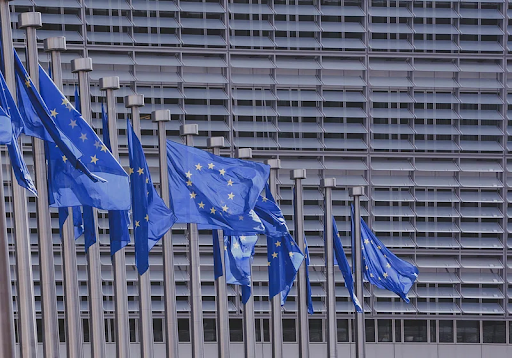
In a significant but less-publicized detail of its proposed sanctions against Israel, the European Union has specified that Israeli arms exports to the bloc will not be affected. This exemption highlights the complex balancing act Brussels is attempting, applying economic pressure while carefully protecting its own strategic and security interests.
While the plan calls for new tariffs on a wide range of consumer and industrial goods, it carves out a notable exception for the defense sector. Several EU member states are customers of Israel’s advanced military technology, and disrupting this supply chain is a step the Commission is unwilling to take at this stage.
This decision reveals the pragmatic, and perhaps cynical, calculations underlying the EU’s foreign policy. It allows the bloc to take a strong moral and political stance on the humanitarian situation in Gaza, while ensuring its own military capabilities are not compromised by the diplomatic dispute.
The exemption may also be a strategic concession designed to make the sanctions package more palatable to certain member states. Countries with close defense ties to Israel might be more willing to support tariffs on agricultural or industrial products if they know their military procurement will not be impacted.
However, this carve-out is likely to draw criticism from activists and some political factions within Europe, who may argue it is hypocritical to sanction Israel for its military conduct while continuing to purchase its military hardware. It underscores the inherent tensions between the EU’s role as a normative power and the realpolitik considerations of its member states.