
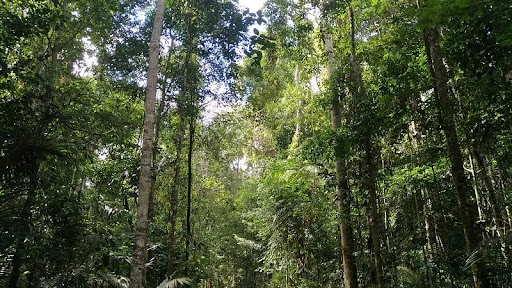
The central theme at the Brazil climate summit is a fundamental economic question: can the world make a tree more valuable standing than cut down? Brazil’s President Luiz Inácio Lula da Silva believes it can, and he’s proposing a global fund to prove it.
The “Tropical Forests Forever Facility,” announced in the Amazonian city of Belem, would pay 74 developing countries for protecting their rainforests. This “pay-to-preserve” model is a direct assault on the economic drivers of deforestation, such as cattle ranching and mining.
Lula’s plan moves beyond aid, proposing a financial structure built on interest-bearing debt. Wealthier nations and commercial investors would provide loans, creating a sustainable financial incentive for governments to choose conservation over destruction.
The world needs these forests, which absorb massive amounts of carbon dioxide, to stay in the fight against climate change. The plan has already garnered $5.5 billion in commitments, led by a $3 billion pledge from Norway. A significant 20 percent of the fund is also reserved for the Indigenous peoples who act as forest guardians.
While the financial proposal is hopeful, the political landscape is fractured. The leaders of the US, China, and India, the world’s top polluters, skipped the preliminary session. This absence prompted a fierce warning from the UN chief about the “moral failure” of inaction and the grip of “fossil fuel interests” on global policy.