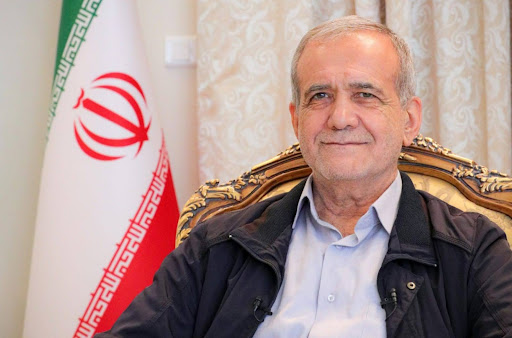
Iranian President Masoud Pezeshkian has effectively reset the diplomatic agenda for the Gulf region by issuing a message that directly links Gulf security and development to decisions about hosting enemy military operations. His statement, made more than a month into the Iran-US war, has shifted the terms of the regional diplomatic debate. Tehran is clearly seeking to set the agenda rather than simply respond to events.
The conflict has created enormous pressure on Gulf nations including Saudi Arabia, the UAE, Kuwait, Qatar, and Oman, all of which have been caught in the crossfire of a war partly being fought on their soil. Iranian retaliatory strikes against those nations have compounded the damage and instability. Gulf governments are now under unprecedented pressure to reconsider their strategic choices.
In a post on X, Pezeshkian communicated Iran’s military doctrine clearly while making a pointed appeal to Gulf leaders. He argued that genuine security and development required Gulf governments to deny enemy forces access to their territory. The message was both a reset of the diplomatic agenda and a clear statement of Iran’s strategic expectations.
Pakistan’s diplomatic engagement has been one of the most effective in the region, with Prime Minister Shehbaz Sharif playing a leading role as intermediary. Sharif’s meeting with Pezeshkian confirmed that Iran sees trust as the essential prerequisite for any formal peace process. Pakistan’s balanced approach has been praised by Tehran.
A major multilateral diplomatic consultation in Pakistan is gathering senior officials from Saudi Arabia, Egypt, and Turkey for strategic deliberations on the conflict. Their discussions with Pakistani Foreign Minister Ishaq Dar and Prime Minister Sharif aim to produce a coordinated regional approach to de-escalation. The talks are being described as one of the most important diplomatic events of the war.