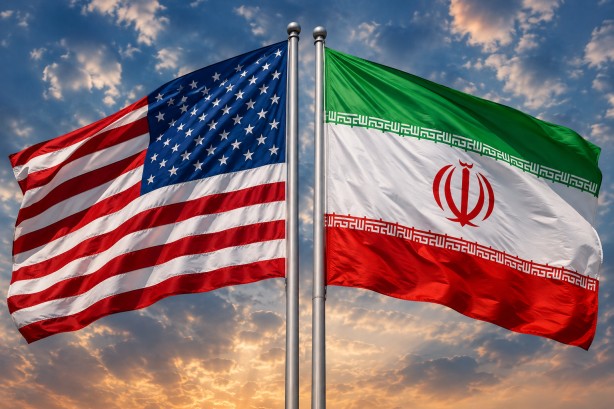
The United States and Iran have found themselves on the brink of heightened conflict, as recent military exchanges have marked the most intense confrontations since a temporary ceasefire was brokered last month. The US recently carried out airstrikes targeting approximately 80 sites associated with Iran’s military operations. Officials in Washington stated that these actions were taken to mitigate risks to the freedom of navigation in the Strait of Hormuz, a crucial maritime corridor. The strikes followed an incident where Iran attacked three commercial vessels in the strategic waterway, escalating tensions between the two nations.
In retaliation, Iran launched a barrage of missiles and drones targeting American military bases located in Bahrain and Kuwait. Additionally, Iran unveiled a new military doctrine, indicating that it would consider the United States and its regional allies as equal adversaries in any forthcoming conflicts. US President Donald Trump responded by affirming that the United States was willing to take further military measures if Iranian attacks persisted, though he expressed optimism that the situation would not devolve into a prolonged war.
This recent bout of hostilities is testing the limits of the ceasefire agreement, which was initially designed to pave the way for discussions on Iran’s nuclear ambitions, potential easing of sanctions, and establishing long-term security protocols in the Strait of Hormuz. The truce aimed at fostering dialogue is now teetering under the weight of renewed military confrontations.
Central to the conflict is the strategic Strait of Hormuz, through which a significant portion of the world’s energy resources are transported. Iran asserts its right to oversee shipping through these waters, while the United States contends that Iran’s recent assaults on commercial vessels are a breach of international maritime law, warranting a military response. This ongoing dispute has led to a surge in global oil prices, as the international community grows increasingly anxious about possible disruptions to one of the most vital energy shipping lanes worldwide.